Year: 1991
Medium: chromogenic print
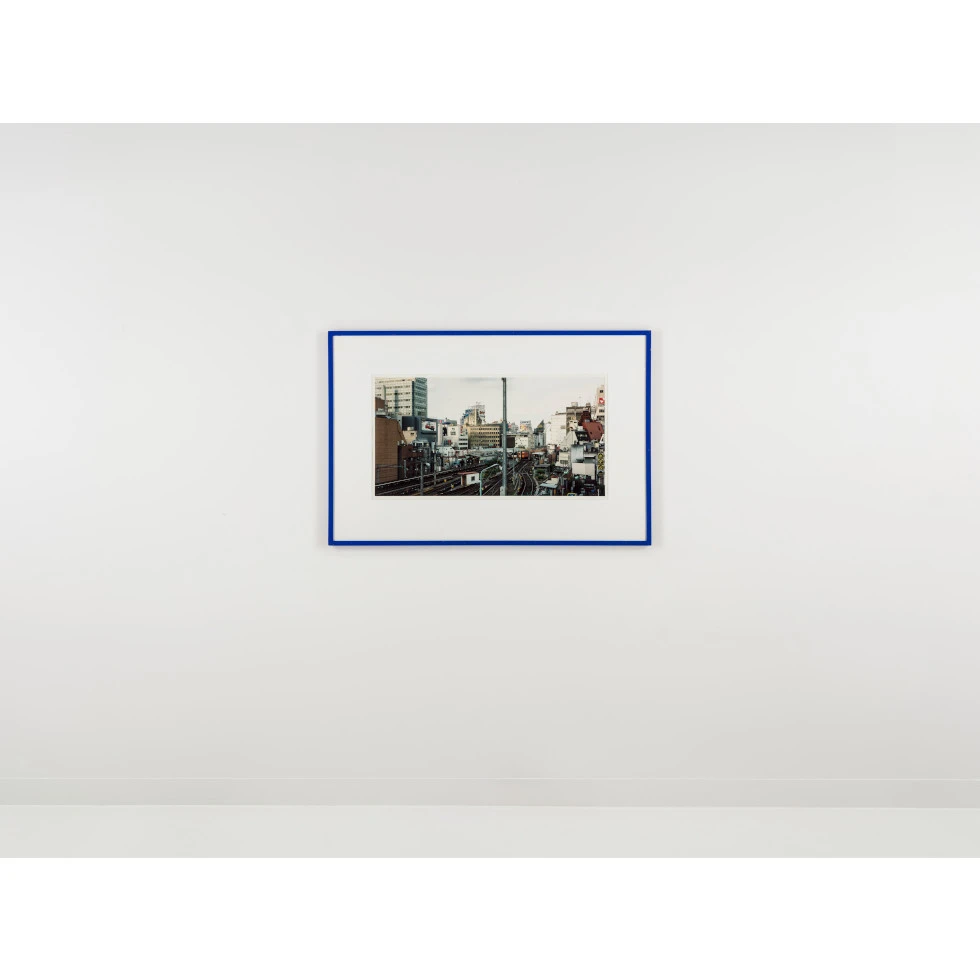
Dimensions: 44 x 85 cm (17 3/8 x 33 1/2 in.)
Edition: No. 3 of 10
Acquired from Phillips, 2024
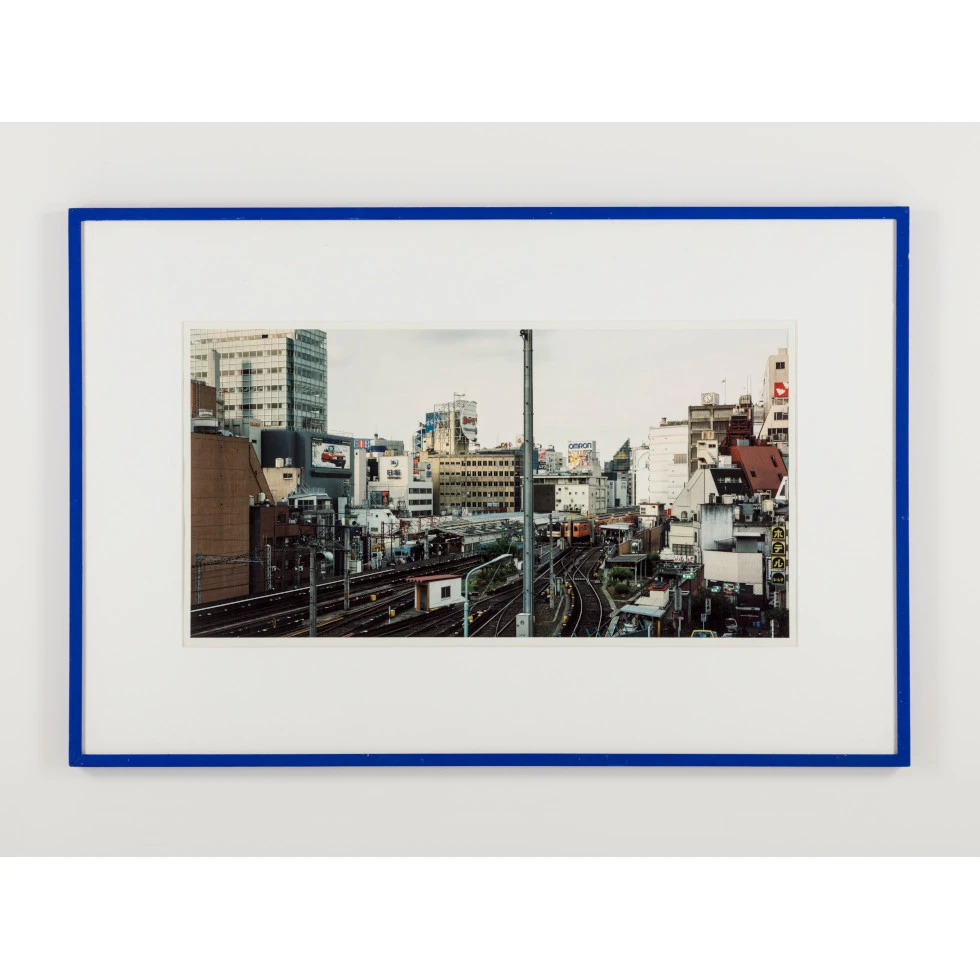
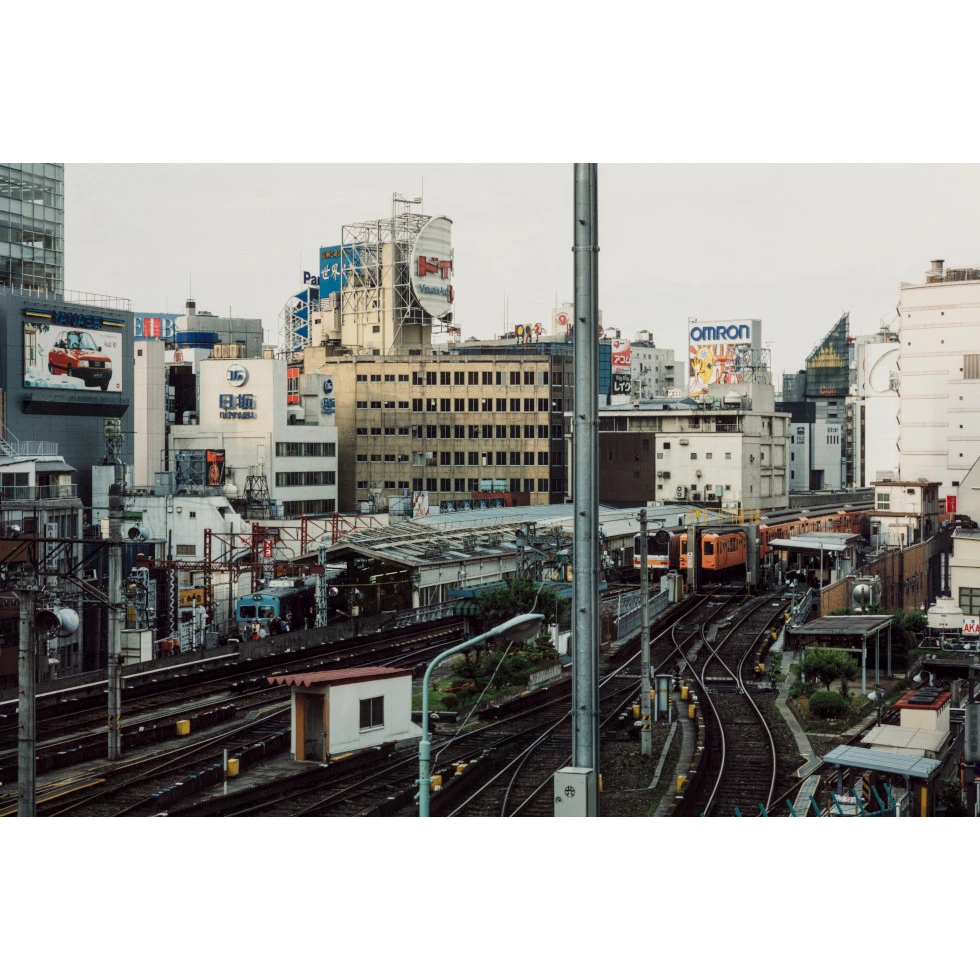
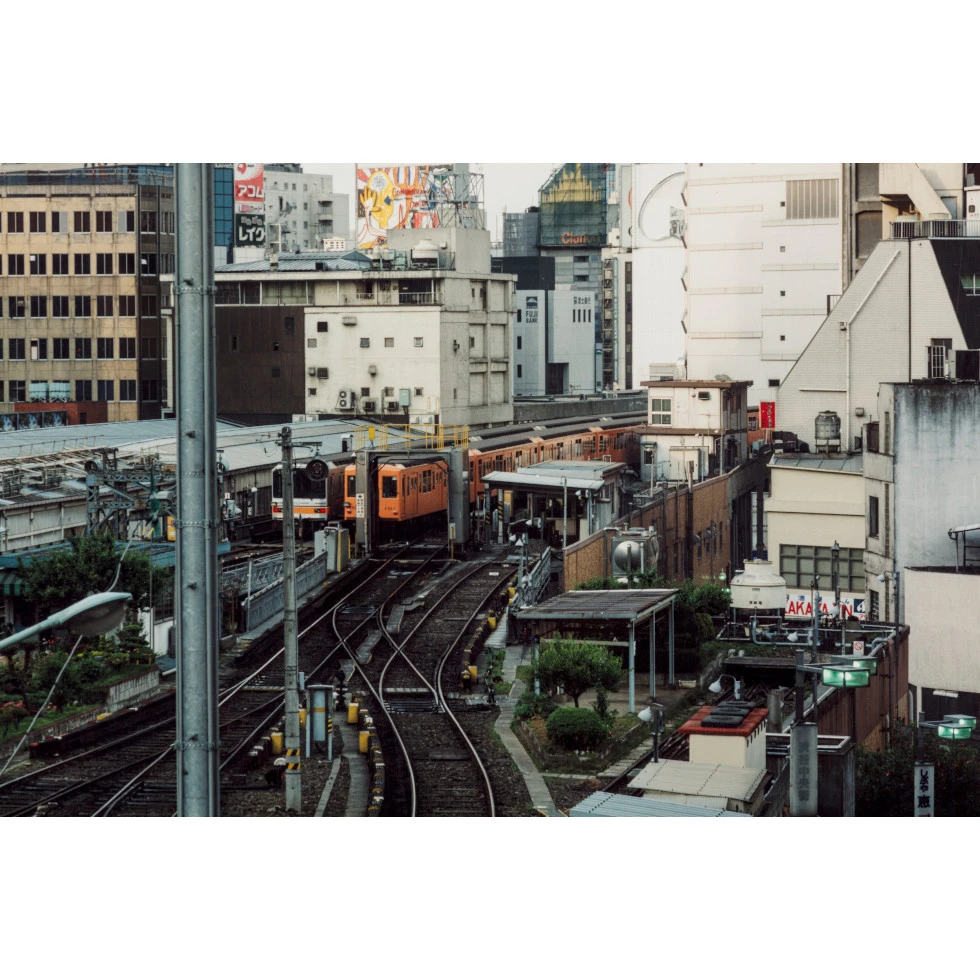
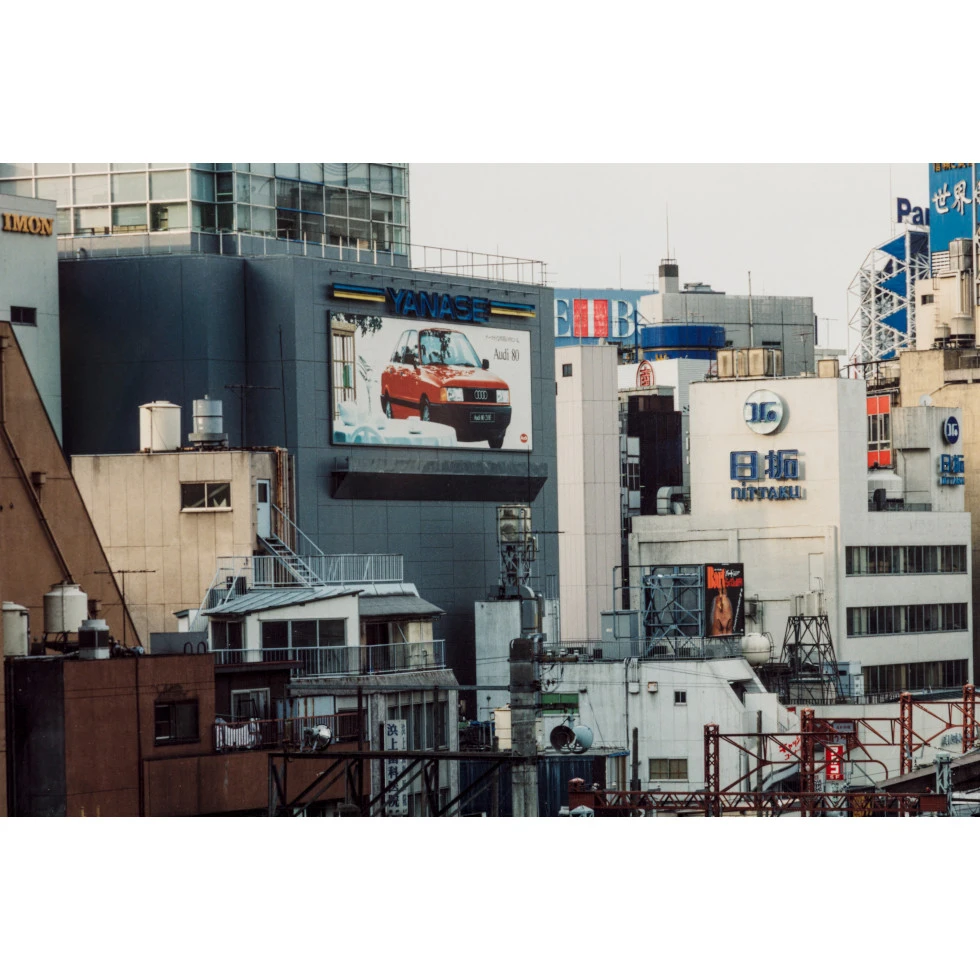
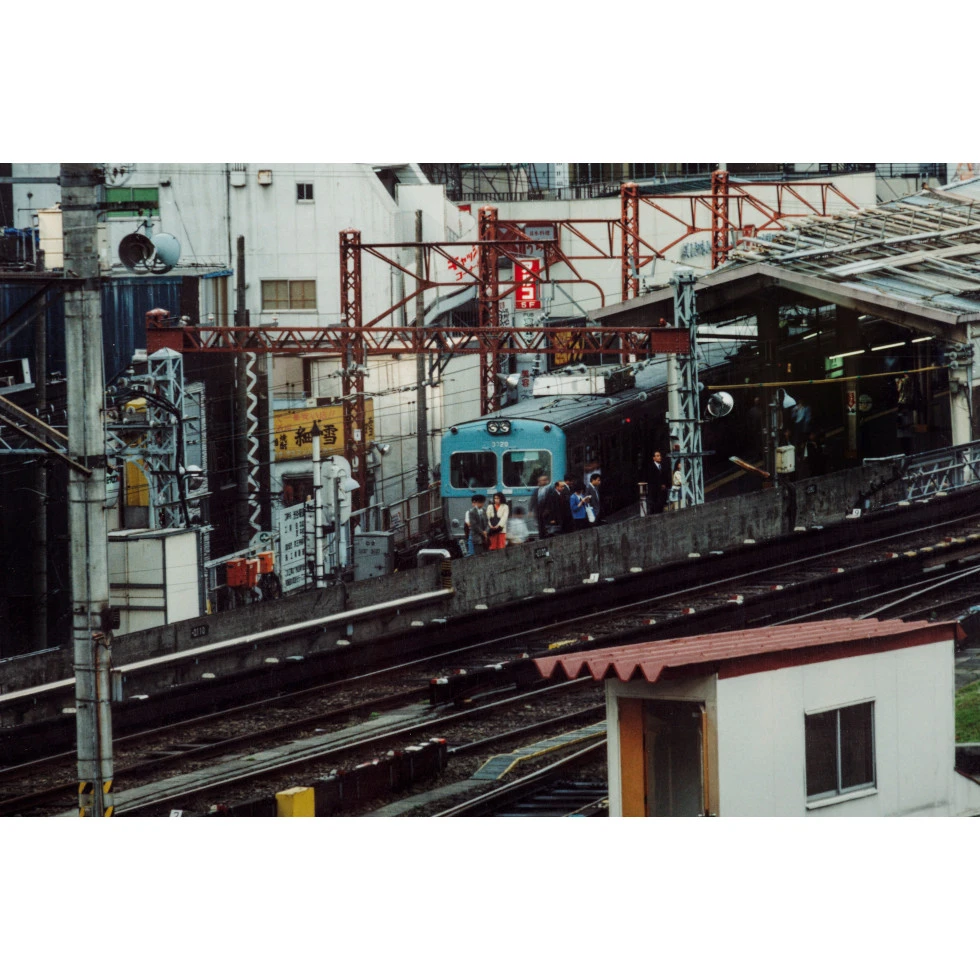
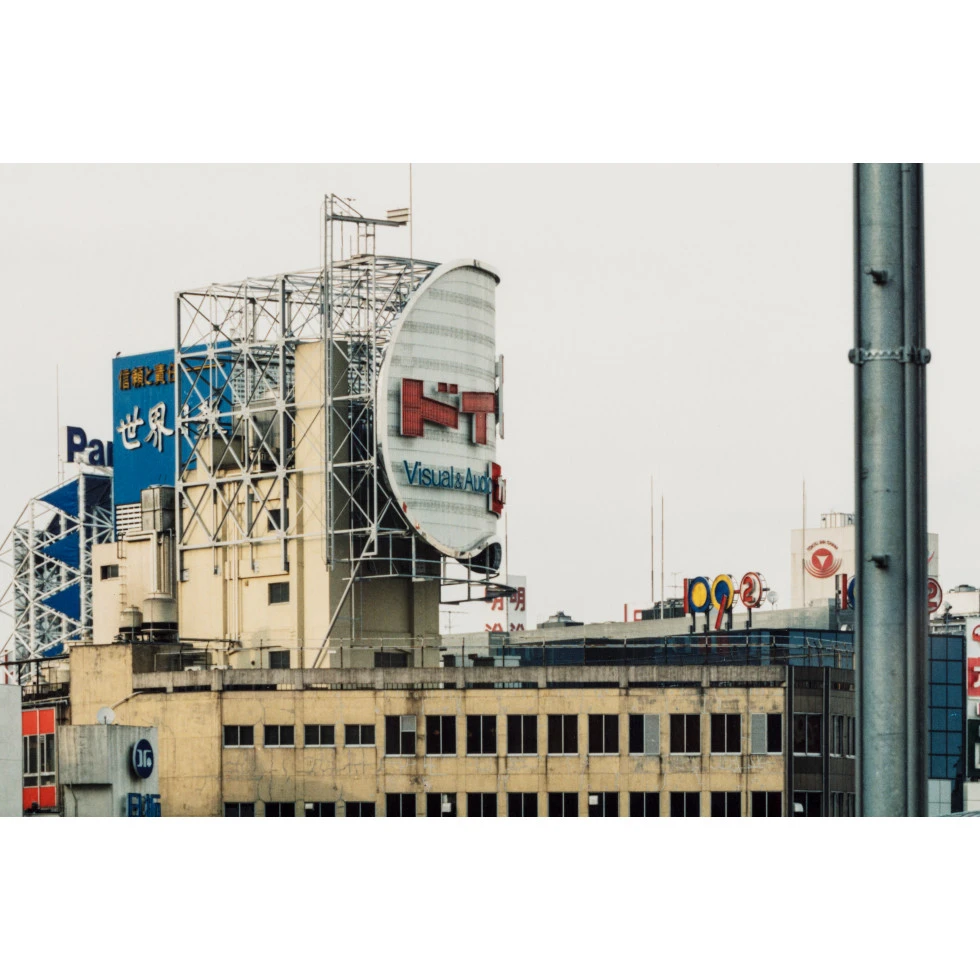
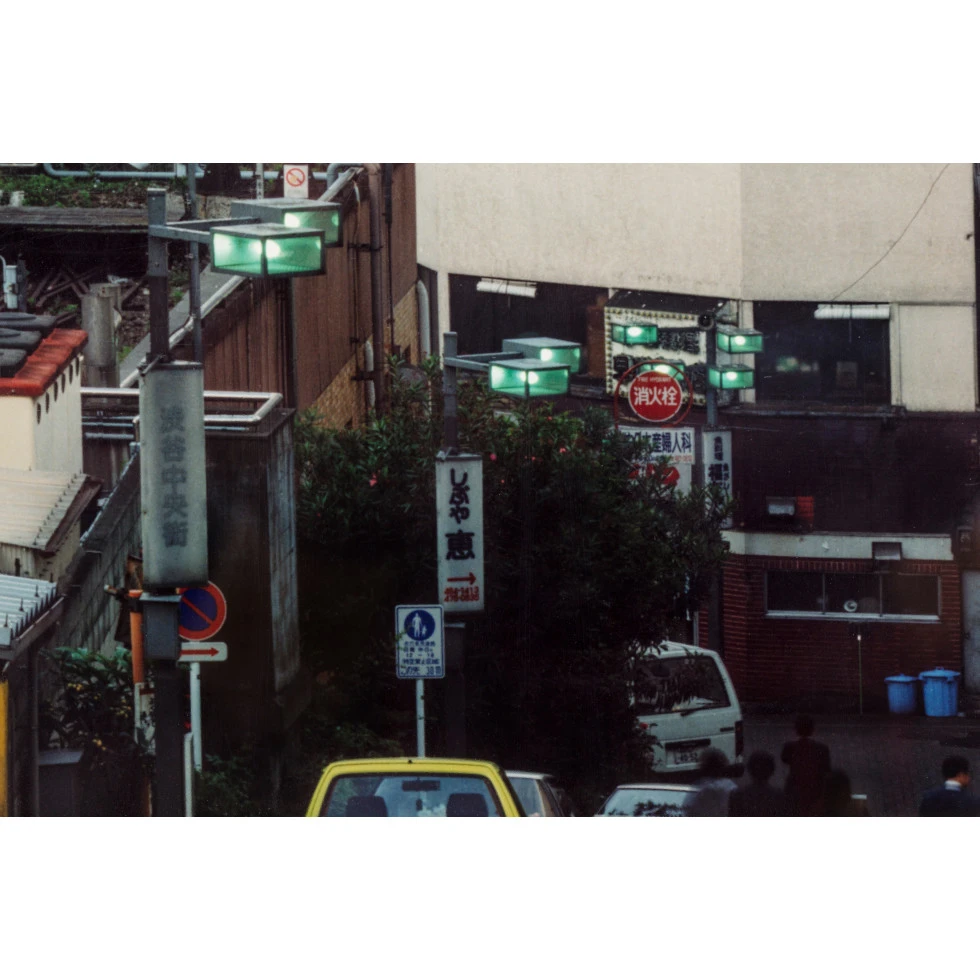
Struth has produced a relatively large number of works centered on Japan. His “Unconscious Places” series depicts the streets of Tokyo, including Shinjuku and Shibuya, while the “New Pictures from Paradise” series captures the forests of Yakushima, and his “Portraits” series features many Japanese families. This particular work shows a landscape of Shibuya, located not far from the museum where the collection is held, overlooking the train tracks of an earlier era. One is given a glimpse of the bygone atmosphere along the tracks just south of Shibuya’s Scramble Crossing, such as the Tokyu Den-en-toshi Line and the Keio Inokashira Line. Struth’s photographs of cities generally involve the gaze toward their inhabitants being subjected to a forceful restraint. Instead, he aims to maintain a broader perspective that encompasses and documents the city itself, a viewpoint clearly evident in this work as well. As a photographer who studied under Bernd Becher, this approach may be understood as a response to, and development from, typological photography. This work is set in Tokyo’s Shibuya district in the early ’90s, at the height of the collapse of Japan’s bubble economy. In the railway cutting through the dense cityscape and the multitude of prominent billboards, perhaps the artist saw the embodiment of people swallowing their individual anxieties, with their energies being absorbed and tossed about by the continually expanding and dwindling city, as well as the capitalist economy. Through this penetrating photograph, things that persist, and things that have been lost with time, seem to jump through time and intersect. Shibuya continues to transform even now, with new cultures and identities continually evolving and receding.